Underwater Scene: Creative Backgrounds for Design
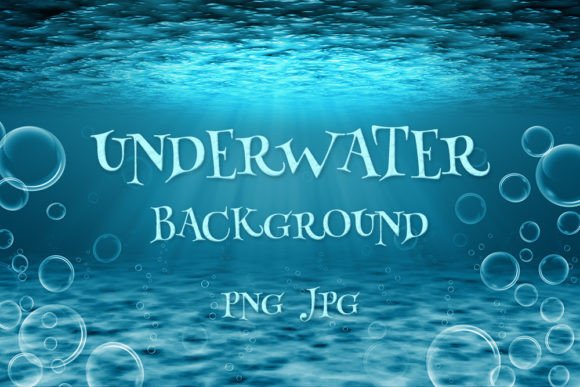
There is a specific kind of calm that comes from being submerged in water. It is a sensory experience defined by the muffled silence, the distortion of light, and the gentle resistance against movement. For designers, marketers, and content creators, capturing this essence digitally offers more than just aesthetic appeal; it provides a powerful emotional anchor. An underwater scene illustration with bubbles and light rays serves as a versatile decorative background that can transform any creative work, turning flat layouts into immersive experiences.
This particular visual theme is not merely about depicting fish or coral reefs. It is about atmosphere. The interplay of blue hues, the chaotic yet rhythmic rise of bubbles, and the dramatic shafts of sunlight piercing through the surface create a dynamic composition. When used correctly, these elements guide the viewer’s eye, establish a mood, and provide a sophisticated backdrop that supports rather than overwhelms your primary message. Whether you are designing a summer campaign, an educational resource, or a personal portfolio, understanding how to leverage these aquatic visuals can elevate your output significantly.
The Psychology of Depth and Light
Before diving into technical applications, it is helpful to understand why underwater imagery resonates with audiences. Visually, the concept relies heavily on contrast and clarity. In a typical design context, white space is often used to create breathing room. Underwater scenes offer a different kind of breathing room—one that feels organic and fluid. The light rays, often referred to in photography and illustration as crepuscular rays, naturally draw attention toward the source of illumination. This creates a subconscious focal point that can be aligned with key text or product placements.
Bubbles add a layer of kinetic energy to a static image. They suggest movement, freshness, and purity. In marketing terms, they can subconsciously communicate cleanliness, hydration, or relief from heat. For educators and bloggers, they might symbolize ideas bubbling up or the depth of knowledge. By combining these elements—light, depth, and motion—you create a visual narrative that engages users on an intuitive level before they even read a single word of your copy.
Practical Applications Across Industries
The versatility of a high-resolution underwater scene makes it suitable for a wide array of professional needs. Here is how different user groups can adapt this asset for maximum impact.
Digital Marketing and Advertising
For marketers, summer designs require a balance of vibrancy and readability. A 6000 x 4000 pixel image provides ample resolution for large-format digital banners, hero sections on landing pages, or social media cover photos. The deep blues and bright whites of the light rays allow for strong contrast when overlaying bold typography. Consider using the darker, deeper parts of the illustration for text boxes to ensure legibility, while letting the lighter, bubbly areas serve as accents around the edges. This technique keeps the design airy and inviting without sacrificing conversion-focused clarity.
Educational Content and E-Learning
Educators and course creators often struggle with making dry topics engaging. Using an underwater scene as a thematic wrapper for science, environmental studies, or even metaphorical "deep dive" articles can make the content feel more exploratory. The illustration acts as a portal, signaling to the learner that they are entering a new space of discovery. For slide decks or webinar backgrounds, the subtle movement implied by the bubbles keeps the visual interesting during long presentations, preventing audience fatigue.
Brand Identity and Packaging
Small business owners in the wellness, beverage, or travel sectors can find immense value in this style. If you are launching a new line of skincare products, the association with water implies hydration and purity. For a travel blog or agency, it suggests adventure and escape. Because the provided files include both JPG and PNG formats, you have flexibility in implementation. The PNG version, likely featuring transparency, allows you to place the bubbles and light rays directly over other brand colors or patterns, creating a custom composite that feels unique to your identity.
Technical Specifications and Workflow Tips
The inclusion of a zip file containing both JPG and PNG extensions at a substantial size of 6000 x 4000 pixels is a significant advantage for professional workflows. This resolution ensures that the assets remain crisp whether viewed on a mobile device or printed on large-format materials like posters or trade show banners. Understanding how to handle these files effectively is crucial for maintaining quality.
- Leveraging Transparency: Use the PNG file when you need the background to blend seamlessly with your existing layout. If your website has a dark mode, the transparent background allows the site’s native color to show through, while the foreground elements (bubbles, rays) remain visible. This creates a cohesive look across different themes.
- Layering Techniques: Do not treat the illustration as a final, static image. In graphic design software, try placing the PNG layer above your base color and setting the blending mode to "Screen" or "Overlay." This can intensify the brightness of the light rays and make the bubbles pop, adding a luminous quality that standard JPEGs cannot achieve.
- Resizing and Optimization: While the source file is high-resolution, web performance matters. Always export final web versions in appropriate sizes (e.g., 1920px width) and compress them using tools like TinyPNG or ImageOptim. This ensures your fast-loading page speed does not suffer due to heavy graphics, which is a critical factor for SEO and user retention.
Styling and Interpretation Variations
An underwater scene is not monolithic. Depending on the color grading and composition, it can convey vastly different emotions. A cool, cyan-heavy palette suggests professionalism, technology, and calm. A warmer, teal-and-gold interpretation can evoke luxury, sunset vibes, or tropical relaxation. As a creator, you have the power to tweak these tones to match your specific seasonal goals.
For a summer-specific design, consider enhancing the warmth of the light rays. Adding a slight golden tint to the sunbeams can mimic the feeling of midday sun filtering through a pool or ocean surface. This simple adjustment shifts the psychological response from "cool and clinical" to "warm and inviting." Similarly, adjusting the density of the bubbles can change the perceived energy level. Sparse bubbles suggest stillness and depth, while dense clusters suggest activity and excitement. Choose the variation that aligns with the action you want your audience to take.
Maintaining Clarity and Focus
The biggest risk when using detailed backgrounds like underwater scenes is visual clutter. The combination of complex textures, varying opacities, and multiple elements can compete with your main content. To avoid this, practice restraint. Let the illustration breathe. Avoid placing critical information directly over areas of high complexity, such as dense bubble clusters. Instead, use solid color overlays or semi-transparent shapes to create clear zones for text and calls to action.
Consistency is also key. If you use this underwater theme for a blog post, ensure that the same color palette and stylistic approach are used for accompanying icons, buttons, and headers. This creates a unified brand experience that feels intentional and polished. By treating the illustration as a foundational element rather than just a decoration, you integrate it into the broader design system, making your work look more professional and trustworthy.
Ultimately, an underwater scene with bubbles and light rays is more than just a pretty picture. It is a tool for storytelling. It invites the viewer to pause, look deeper, and engage with your content on a sensory level. By applying these practical strategies—from technical handling to psychological styling—you can harness the full potential of this asset to create designs that are not only visually stunning but also effective in achieving your creative and business goals.