Watercolor Bouquets of Flowers in Vases: A Design Evaluation
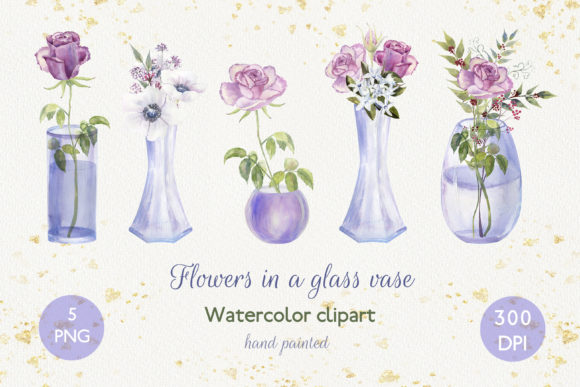
In the realm of digital graphic design, finding assets that balance artistic authenticity with technical versatility is a constant challenge. Watercolor Bouquets of Flowers in Vases represent a specific category of digital imagery that has gained significant traction among designers, stationery creators, and brand managers. This collection typically features hand-painted floral arrangements, often including purple roses, anemones, decorative twigs, and berries, rendered within glass vases or drinking glasses. The following evaluation explores the characteristics, applications, and strategic considerations for integrating these high-resolution assets into professional projects.
Understanding the Asset Composition
The core appeal of this asset set lies in its specific composition and technical specifications. Unlike generic stock photography, watercolor clipart offers a soft, organic texture that mimics traditional media while retaining the flexibility of digital files. The described collection includes five distinct PNG images, each showcasing unique arrangements of flowers such as roses and anemones. These are not merely isolated blooms but are presented in context—nestled within transparent glass vases or elegant glasses.
Technical precision is a defining feature of this format. The files are provided in RGB color mode at a resolution of 300 DPI, ensuring they remain crisp when printed on physical media like wedding invitations or packaging. With dimensions approximately 7 x 16 inches (2300 x 5000 pixels), the aspect ratio is tall and narrow, making them ideal for vertical layouts. The inclusion of a transparent background is critical; it allows designers to layer these bouquets over various textures, colors, or photographic backgrounds without the need for tedious manual masking.
Primary Applications and Use Cases
Designers often seek out Watercolor Bouquets of Flowers in Vases for projects requiring a touch of elegance and natural beauty. The versatility of these PNG files makes them suitable for a wide array of deliverables:
- Event Stationery: The romantic nature of purple roses and anemones makes them particularly effective for wedding invitations, save-the-date cards, and anniversary albums. The glass vase element adds a sense of sophistication that complements formal event themes.
- Branding and Identity: For businesses in the lifestyle, beauty, or wellness sectors, these cliparts serve as excellent components for logo creation. The organic lines of the twigs and leaves can soften a brand's visual identity, creating a connection with nature.
- Digital Marketing: Social media posts, website headers, and email newsletter graphics benefit from the high resolution and vibrant colors. The ability to resize the 2300 x 5000 pixel files ensures clarity across different screen densities.
- Physical Products: Packaging design, scrapbooking pages, and greeting cards require print-ready assets. The 300 DPI standard ensures that the delicate brushstrokes of the watercolor do not pixelate when transferred to paper.
Evaluating Benefits and Technical Advantages
The decision to utilize watercolor clipart over vector illustrations or photographs involves several key advantages. First, the aesthetic quality of watercolor provides a level of depth and variation that is difficult to replicate with flat vector shapes. The blending of colors in the petals and the transparency effects in the glass vases create a realistic yet stylized look.
Furthermore, the file format (PNG) offers immediate workflow efficiency. Because the background is already transparent, designers can integrate these bouquets directly into their layout software without spending hours removing white backgrounds. The high resolution supports both web and print workflows, eliminating the need to source separate versions for different media types.
Considerations and Potential Tradeoffs
While the benefits are substantial, there are tradeoffs to consider before purchasing or using this specific set. One primary limitation is the lack of editability regarding the individual elements. Unlike vector formats (such as SVG or AI), where every petal and leaf is a separate shape that can be resized or recolored independently, watercolor PNGs are raster images. Once placed, you cannot easily change the shade of the purple roses or remove a specific twig without affecting the surrounding pixels.
Another consideration is the color profile. As RGB files, these images are optimized for screens. While they are print-ready at 300 DPI, converting them to CMYK for commercial offset printing may result in slight shifts in color vibrancy. Designers must test proofs if precise color matching is required for a brand guideline.
Additionally, the specific composition of the bouquet is fixed. If a project requires a wider horizontal layout, the 7 x 16 inch vertical orientation might necessitate cropping or combining multiple images, which could alter the intended aesthetic balance of the arrangement.
Situational Fit: When to Choose Watercolor Bouquets
This asset type is a strong fit for projects prioritizing emotional resonance and organic texture. It is particularly well-suited for:
- Wedding and Romance Themes: The combination of purple roses and berries evokes a classic, timeless romance that aligns perfectly with nuptial designs.
- Luxury and Boutique Branding: Brands aiming for a premium, artisanal feel will find the hand-painted aesthetic more appropriate than sterile, geometric icons.
- Seasonal Campaigns: The inclusion of spring elements like anemones and fresh greenery makes these images ideal for seasonal promotions in late winter and early spring.
When Alternatives May Be Preferable
There are scenarios where Watercolor Bouquets of Flowers in Vases may not be the optimal choice. If a project demands a modern, minimalist aesthetic, the intricate details of watercolor might appear too busy. In such cases, simple line art or solid-color icons would provide better visual hierarchy.
For projects requiring heavy manipulation, such as creating complex patterns or isolating specific flowers for use in different contexts, vector illustrations are superior. Similarly, if the goal is photorealism rather than artistic interpretation, high-quality stock photography would offer greater realism than a painted representation.
Practical Decision-Making Insights
To determine if this set aligns with your goals, evaluate the final output medium first. If the end product is primarily digital (websites, social media), the RGB format and transparent background make this a highly efficient choice. If the project involves large-scale commercial printing, ensure your workflow accounts for potential color conversion adjustments.
Consider the scope of your editing needs. If you plan to use the image as a static background or a focal point that remains largely unchanged, the PNG format is ideal. However, if you anticipate needing to rearrange the flowers or change the vase color frequently, investing time in sourcing vector alternatives might yield better long-term results.
Ultimately, the value of Watercolor Bouquets of Flowers in Vases lies in their ability to bridge the gap between traditional artistry and digital convenience. By understanding their technical constraints and leveraging their aesthetic strengths, designers can effectively incorporate these elements into diverse projects ranging from mood boards to high-end packaging.