The Strategic Power of Mandala Icon Illustration Backgrounds in Modern Design and Branding
In the contemporary digital landscape, visual hierarchy and aesthetic cohesion are no longer mere artistic preferences; they are critical components of user experience (UX) and brand identity. Among the myriad of design elements available to professionals, creators, and entrepreneurs, the Mandala Icon Illustration Background has emerged as a versatile and potent tool. Far more than a simple decorative motif, this intricate design element bridges the gap between ancient cultural symbolism and modern vector technology, offering a unique solution for brands seeking depth, spirituality, and organic complexity in their digital and print communications.
For marketers and designers alike, understanding the utility of the mandala extends beyond its visual appeal. It involves recognizing how this ornamental structure can guide the eye, establish trust, and evoke specific emotional responses. Whether utilized in yoga studio branding, wedding invitation suites, or high-end tech interfaces that require an "oriental" touch, the mandala serves as a sophisticated framework for communication. This article explores the multifaceted applications of the mandala icon illustration background, analyzing its relevance across various industries and providing practical insights for its effective implementation.
Defining the Mandala Icon Illustration Background
To leverage the power of this design element, one must first understand its composition. A mandala is traditionally a spiritual and ritual symbol in Hinduism and Buddhism, representing the universe. Visually, it is characterized by a circular geometry that radiates outward from a central point. In the context of modern graphic design, the Mandala Icon Illustration Background refers to the digital adaptation of these patterns, often rendered as vectors to ensure scalability without loss of quality.
These backgrounds are not limited to traditional religious contexts. Today, they are frequently abstracted into floral, geometric, or tribal motifs. The term "icon illustration" suggests that these backgrounds often incorporate smaller, distinct symbols within the larger pattern, creating a layered effect that adds richness to the design. Common characteristics include:
- Radial Symmetry: The balanced arrangement of elements around a center creates a sense of harmony and stability.
- Intricate Detailing: High-resolution details allow for textures that mimic lace, henna, or vintage paper, adding tactile qualities to digital screens.
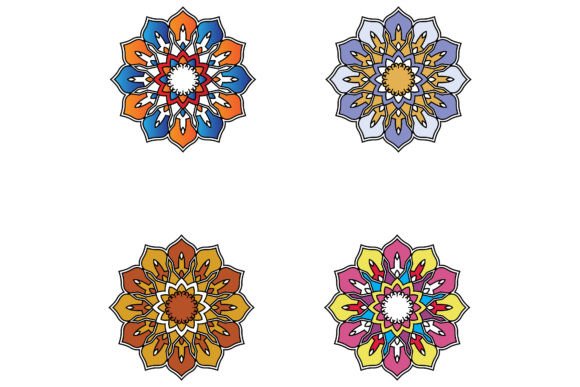
- Versatile Color Palettes: While often associated with black and white vector art for minimalist designs, these backgrounds are available in vibrant hues to suit diverse brand identities.
- Cultural Resonance: Elements drawn from Indian, Arabic, and Asian traditions provide a sense of global connectivity and heritage.
Why Professionals Are Embracing Intricate Patterns
The resurgence of interest in Mandala Icon Illustration Backgrounds is not accidental. It reflects broader shifts in consumer behavior and design trends. In an era dominated by flat design and minimalism, there is a growing fatigue with sterile, overly simplistic aesthetics. Consumers are increasingly drawn to designs that feel human, handcrafted, and meaningful. The hand-drawn quality of many mandala illustrations taps into this desire for authenticity.
Furthermore, the rise of wellness culture has significantly boosted the demand for imagery associated with meditation, yoga, and mindfulness. For entrepreneurs in the health and wellness sector, using a mandala background is a direct visual cue to their audience’s values. It signals tranquility, balance, and introspection. Similarly, in the fashion and beauty industry, the use of henna-inspired or bohemian style mandalas aligns with the "slow fashion" movement, which emphasizes craftsmanship and cultural appreciation over mass production.
From a technical standpoint, the availability of high-quality vector files has made these complex designs accessible to freelancers and small businesses. Previously, creating such detailed ornate patterns required significant manual effort. Now, designers can utilize pre-made templates and customize them to fit specific brand guidelines, drastically reducing production time while maintaining a premium look.
Strategic Applications Across Industries
The versatility of the mandala allows it to be adapted to a wide range of professional fields. Below are practical examples of how different sectors are integrating Mandala Icon Illustration Backgrounds into their workflows.
1. Wellness and Lifestyle Brands
For yoga instructors, meditation apps, and holistic health practitioners, the mandala is almost synonymous with their brand identity. However, the key to success lies in customization. Instead of using generic clip art, successful brands create custom abstract mandalas that incorporate their logo or specific symbolic elements. For instance, a spa might use a soft, pastel-colored mandala with floral accents to convey relaxation, while a rugged outdoor retreat might opt for a tribal or ethnic style pattern to suggest adventure and grounding.
Practical Tip: When designing for this sector, ensure the background does not overpower the call-to-action buttons. Use white or light overlays on top of dark black color mandala designs to maintain readability.
2. Event Planning and Weddings
The wedding industry has long embraced the ornate nature of mandalas. From wedding invitations to table settings and digital save-the-date cards, these patterns add a layer of elegance and formality. The round shape of the mandala symbolizes unity and eternity, making it a powerful symbol for marriage. Modern couples are moving away from traditional European motifs toward more eclectic styles, such as Islamic geometric patterns or Indian henna designs, reflecting a multicultural approach to celebration.
Designers can leverage lace-like mandala borders to frame photographs or text, creating a cohesive theme throughout the entire event suite. The use of gold foil effects on black mandala prints is particularly popular for high-end stationery, blending vintage charm with modern luxury.
3. Technology and User Interface (UI) Design
It may seem counterintuitive to apply such a traditional pattern to tech products, but the trend of "neo-brutalism" and "maximalism" in UI design is opening doors for creative experimentation. Tech startups focused on creativity, education, or community building are using subtle mandala patterns as backgrounds for landing pages or app splash screens. These patterns can serve as a texture that adds depth to otherwise flat interfaces, making the digital experience feel more engaging and less robotic.
Moreover, the symbolic nature of the mandala—representing wholeness and integration—resonates with companies aiming to connect disparate parts of a user's life through their platform. By using a graphic card or frame based on a mandala structure, designers can subtly reinforce the concept of comprehensive solutions.
4. Marketing and Print Media
In the realm of marketing materials, such as brochures, business cards, and packaging, a Mandala Icon Illustration Background can differentiate a product from competitors. For eco-friendly brands, the organic lines of a floral mandala reinforce sustainability messages. For luxury goods, an oriental motif can imply exclusivity and artisanal quality.
Marketers should consider the psychological impact of color when pairing text with these backgrounds. A black mandala on a white background creates high contrast and authority, suitable for financial or legal firms that wish to appear stable yet innovative. Conversely, a colorful, bohemian mandala appeals to younger demographics and creative industries.
Best Practices for Implementation
To effectively utilize Mandala Icon Illustration Backgrounds, professionals must adhere to certain design principles to avoid clutter and ensure accessibility.
- Maintain Visual Hierarchy: The background should support the content, not compete with it. Use opacity adjustments or blur effects if necessary to reduce the intensity of the pattern behind text.
- Ensure Scalability: Always source vector formats (SVG, EPS) to ensure the illustration remains crisp at any size, whether printed on a billboard or displayed on a mobile device.
- Respect Cultural Context: When using motifs derived from specific cultures, such as Islam, India, or Asian traditions, do so with respect and accuracy. Avoid appropriating sacred symbols for trivial purposes. Consult with cultural experts if unsure.
- Balance Complexity: Pair intricate mandala backgrounds with clean, sans-serif typography to create a modern contrast. This juxtaposition prevents the design from feeling dated or overly ornate.
Conclusion
The Mandala Icon Illustration Background is far more than a passing design trend; it is a robust visual language that speaks to universal themes of balance, beauty, and connection. For professionals across various industries, incorporating these elements offers a strategic advantage, allowing them to communicate complex values quickly and effectively. As consumer preferences continue to shift towards authenticity and meaningful engagement, the ability to harness the power of ornamental and decorative motifs like the mandala will remain a vital skill for designers and marketers.
By understanding the nuances of pattern, texture, and symbolism, creators can transform simple backgrounds into compelling narratives. Whether you are designing a card, a website, or a full brand identity, the mandala provides a timeless framework for excellence. Embrace the intricacy, respect the tradition, and leverage the modern potential of this iconic design element to elevate your work in an increasingly competitive market.