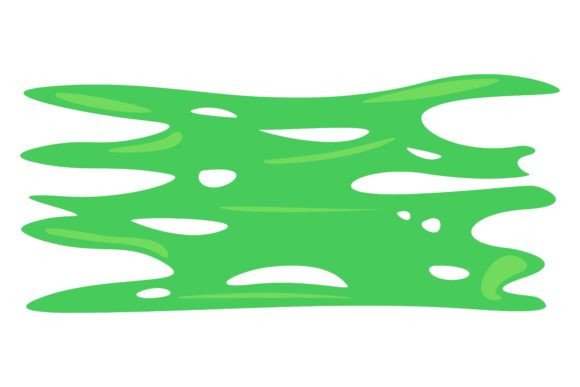
Green Slime Flat for Web Design. Cartoon
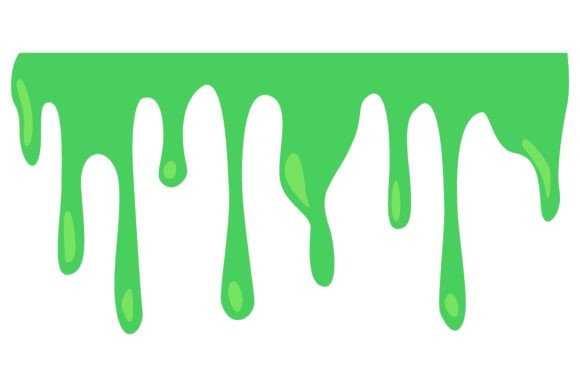
If you have spent any time scrolling through design portfolios, browsing playful e-commerce sites, or interacting with mobile games lately, you have likely encountered that specific visual language: the flat cartoon green slime. It is not just a color choice; it is a mood, a texture, and a structural element all rolled into one vector illustration. This aesthetic has moved far beyond its origins in children’s media to become a sophisticated tool for modern web designers looking to inject personality without sacrificing clarity.
The core of this style lies in its simplicity. We are talking about clean lines, solid fills, and exaggerated forms that mimic the viscous, dripping nature of goo, mucus drops, and liquid borders. When isolated as vector illustrations, these elements become modular assets. They are no longer just "slime"; they are dynamic shapes that can guide the eye, break up monotony, and create a tactile sense of fun on a screen. For adults navigating the digital landscape, this style offers a refreshing departure from the sterile, corporate minimalism that has dominated the web for the past decade.
Why Gooey Aesthetics Work in Digital Interfaces
At first glance, pairing "mucus" with professional web design might seem counterintuitive. However, the appeal lies in the psychological response to organic, fluid shapes. Humans are wired to respond to curves and soft edges rather than sharp, aggressive angles. Green slime flat designs leverage this by using blob-like forms that feel approachable and safe. The color green itself plays a crucial role here. It signals growth, freshness, and energy, but when paired with a cartoonish, flat style, it also suggests playfulness and low stakes.
This combination creates an environment where users feel comfortable exploring. In industries where trust is paramount but boredom is a risk—such as fintech apps targeting younger demographics or health-tech platforms trying to reduce anxiety—the green slime motif acts as a visual relaxant. It softens the blow of complex data or intimidating forms. Instead of a rigid grid, you get flowing liquid borders that contain content in a way that feels natural and unforced. The result is a user experience that feels less like a transaction and more like an interaction.
Real-World Applications Across Industries
The versatility of cartoon slimy goo splashes extends across a surprising number of sectors. Let’s look at how different audiences utilize these assets in practical scenarios.
Gaming and Interactive Entertainment
This is perhaps the most obvious use case, but it goes deeper than simple character skins. Indie game developers frequently use flat green slime vectors for environmental storytelling. Imagine a level boundary defined not by a wall, but by a dripping, animated slime trail. Or consider a progress bar that fills up with goo instead of a static line. These elements provide immediate visual feedback. When a player completes a task, seeing a satisfying splash of green slime reinforces the action in a way that standard UI elements cannot. It turns routine interactions into moments of delight.
Educational Platforms and EdTech
For adult learners or even older students engaging with online courses, engagement is the primary challenge. Static text blocks can be dry. By integrating decorative shapes and liquid borders, educational platforms can segment information visually. A concept explained in a module might be surrounded by subtle slime blobs that highlight key points. This technique helps in cognitive chunking, allowing the brain to process information in digestible, visually distinct units. The cartoon style reduces the perceived difficulty of the subject matter, making complex topics feel more accessible.
Creative Agencies and Portfolio Sites
Designers themselves are heavy users of these assets. A portfolio site needs to stand out. Using green slime flat illustrations as background textures or cursor effects demonstrates a designer’s comfort with non-traditional layouts. It signals creativity and a willingness to experiment. For agencies specializing in branding for lifestyle, food, or youth-oriented products, showcasing their ability to manipulate these organic shapes proves they can handle dynamic, brand-specific visual languages.
Practical Considerations for Implementation
While the aesthetic is appealing, integrating cartoon slimy goo splashes into a web design requires careful thought. It is easy to overdo it. The goal is to enhance the user journey, not distract from it. Here are some practical observations on how to apply these elements effectively.
- Balance is Key: Use slime elements as accents rather than the primary content container. A header might feature a large, stylized blob, but the body text should remain on clean, readable backgrounds. Too much visual noise can lead to cognitive overload.
- Color Harmony: While green is the star, it needs support. Pairing bright, acidic greens with neutral grays, whites, or deep blacks can create a striking contrast. Alternatively, using analogous colors like teal or lime can create a softer, more cohesive palette. Avoid clashing hues that make the slime look muddy.
- Responsiveness Matters: Vector illustrations are ideal because they scale perfectly. Ensure that your slime shapes maintain their integrity across different screen sizes. A complex blob that looks great on a desktop monitor might become indistinguishable clutter on a mobile device. Simplify details for smaller screens.
- Animation with Purpose: If you choose to animate the slime—perhaps having it drip or pulse—ensure the motion is smooth and purposeful. Jerky animations can cause discomfort. Subtle movements that draw attention to call-to-action buttons can significantly improve conversion rates.
Limitations and When to Avoid the Style
No design trend is universal. There are situations where green slime flat illustrations would be inappropriate. Highly formal industries, such as law, finance (in a traditional context), or healthcare administration, may find this style too casual. In these fields, credibility is often communicated through stability and seriousness. Introducing cartoonish elements could undermine trust.
Additionally, accessibility must be considered. High-contrast requirements mean that certain shades of green might not be visible enough for users with visual impairments. Always test your color combinations against accessibility standards. Furthermore, cultural associations with "slime" can vary. While generally seen as fun in Western pop culture, ensure your target audience interprets the imagery positively. In some contexts, the association with bodily fluids might trigger a negative visceral reaction rather than amusement.
Final Thoughts on Creative Integration
The rise of green slime flat for web design cartoons represents a broader shift towards human-centric, emotionally resonant digital experiences. It is a reminder that websites do not have to be cold, functional machines. They can be vibrant, textured spaces that invite interaction. Whether you are building a game interface, an educational platform, or a creative portfolio, these vector illustrations offer a unique toolkit for breaking the mold.
By focusing on real-world utility—guiding the eye, reducing anxiety, and adding delight—you can harness the power of these organic shapes without sacrificing professionalism. The key is to treat them as strategic design choices rather than mere decoration. When used with intention, cartoon slimy goo splashes can transform a standard web page into an engaging, memorable experience that resonates with users long after they leave the site.