The Visceral Appeal of Toxic Green Slime Flat Design in Modern Digital Interfaces
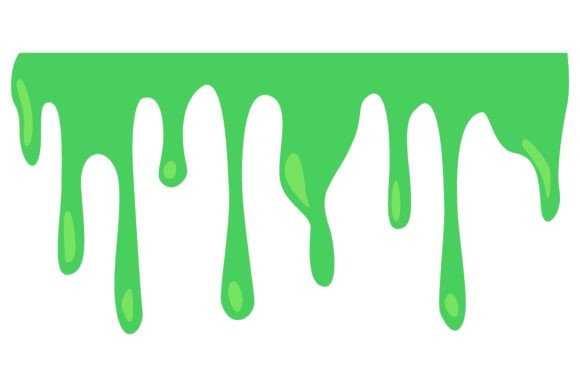
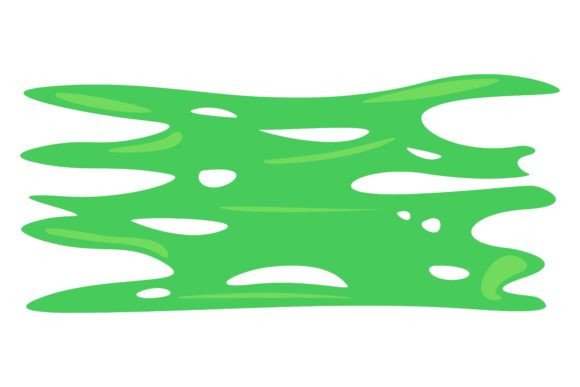
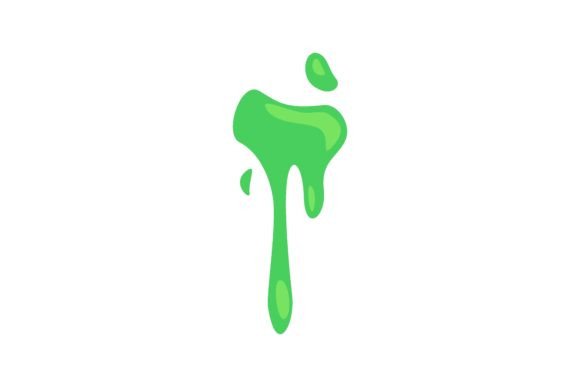
In the ever-evolving landscape of web design, trends cycle with rapid frequency. From the clean minimalism of flat design to the tactile depth of neumorphism, designers constantly seek ways to capture user attention and evoke specific emotional responses. Recently, a distinct aesthetic has emerged that blends nostalgia, humor, and high-contrast visual impact: toxic green slime flat design. This style utilizes cartoonish, slimy goo splashes, blobs, and mucus drops as isolated vector illustrations to create decorative shapes that are impossible to ignore.
While it may sound unconventional for professional or corporate websites, this aesthetic serves a powerful purpose. It is not merely about being "gross"; it is about leveraging visceral reactions to drive engagement, convey energy, and establish a bold brand identity. In this article, we will explore the origins, psychological impact, and practical applications of toxic green slime flat design, helping you understand how these squishy, vibrant elements fit into modern digital creativity.
Deconstructing the Aesthetic: What Is Toxic Green Slime Flat?
To understand why this style is gaining traction, we must first break down its core components. The term "flat design" refers to a minimalist approach to UI/UX that strips away three-dimensional effects like gradients, shadows, and textures, relying instead on simple shapes, bright colors, and clean typography. However, when designers introduce toxic green slime, they add a layer of organic chaos to that geometric order.
This style typically features:
- Vibrant Color Palettes: The hallmark is a neon or electric green, often paired with contrasting colors like deep purple, black, or hot pink to enhance the "toxic" feel.
- Organic Shapes: Unlike rigid squares and circles, slime designs use irregular, flowing curves that mimic liquid dynamics.
- Vector Illustration Quality: Despite looking messy, these images are precise vector graphics. They include glossy highlights, translucent layers, and defined edges that give the slime a sense of weight and viscosity without breaking the flat design rules.
- Playful Elements: Mucus drops, goo splashes, and dripping effects are used as decorative accents rather than central content.
By combining the structured nature of flat design with the unpredictable nature of liquid forms, creators achieve a unique visual tension. It is orderly yet chaotic, familiar yet strange. This duality is what makes the style so memorable.
The Psychology of "Gross-Out" Humor in Web Design
Why would a designer choose an image of slime? The answer lies in human psychology. We have an innate reaction to certain textures and colors. Green, particularly in high saturation, signals caution, toxicity, or biological matter. When combined with the shape of slime, it triggers a mix of curiosity and mild revulsion—a sensation known as "pleasant disgust."
This emotional response is highly effective in marketing and web design for several reasons:
Breaking Through Visual Noise
The internet is saturated with sterile, white-background websites and soft pastel palettes. A splash of toxic green slime acts as a visual interrupt. It forces the eye to stop because it violates the expected norm. For brands trying to stand out in crowded markets, such as gaming, entertainment, or youth-oriented products, this interruption is invaluable.
Nostalgia and Pop Culture
For many millennials and Gen Z users, slime evokes memories of childhood toys, horror movies, and comic book villains. By tapping into these cultural touchstones, designers can create an instant emotional connection. It feels playful, retro, and slightly rebellious. This aligns perfectly with brands that want to position themselves as fun, energetic, and non-corporate.
Enhancing Memorability
Studies in cognitive psychology suggest that unusual or emotionally charged stimuli are more likely to be remembered. A website adorned with cute but gross slime blobs is far more likely to stay in a user's mind than a standard layout with stock photos of people shaking hands.
Practical Applications: Where Does Slime Fit?
While you won't see this style on a banking app or a law firm's website, it thrives in specific sectors where personality is paramount. Understanding where to apply cartoon slimy goo splashes is key to using them effectively.
Gaming and Esports
The gaming industry has long embraced vibrant, exaggerated aesthetics. Toxic green slime is a staple in fantasy and sci-fi games, representing potions, alien biology, or magical corruption. Using these assets in landing pages, character selection screens, or promotional banners reinforces the game’s theme and immerses players immediately.
Food and Beverage
Believe it or not, slime works well in the food industry, particularly for brands selling candy, energy drinks, or novelty foods. The texture of slime mimics the viscosity of syrups, gels, and thick beverages. A "toxic" green soda can be marketed with slime graphics to emphasize its intense flavor and carbonation, appealing to thrill-seekers and younger demographics.
Educational Content for Children
In ed-tech and children’s learning platforms, slime adds a layer of interactivity and fun. Educational apps teaching biology, chemistry, or physics can use slime illustrations to explain concepts like viscosity, chemical reactions, or cellular structures in a way that feels less academic and more exploratory.
Creative Portfolios and Personal Brands
Artists, illustrators, and creative agencies often use this style to showcase their versatility. A portfolio featuring toxic green slime flat design demonstrates that the creator can handle complex color theory, dynamic composition, and niche aesthetic requirements. It signals confidence and artistic flair.
Best Practices for Implementation
If you are considering incorporating decorative shape elements like slime into your web design, there are important guidelines to follow to ensure the result is engaging rather than overwhelming.
- Maintain Readability: The primary rule of web design is that content must be readable. Use slime graphics as background accents or dividers, but never let them obscure text. Ensure high contrast between the text and the slime elements. If the slime is bright green, place dark text over it or vice versa.
- Balance is Key: Too much slime can look cluttered and unprofessional. Use it sparingly. Let the slime act as a frame or a highlight for your call-to-action buttons. Think of it as garnish, not the main course.
- Consistency in Style: Ensure all slime assets share the same visual language. If one blob is glossy and 3D-looking, avoid mixing it with matte, flat-colored drips unless intentional for stylistic effect. Consistency creates a cohesive brand experience.
- Consider Accessibility: Be mindful of users with photosensitivity or visual impairments. Avoid flashing animations of slime and ensure that color choices do not hinder accessibility standards (WCAG).
Common Misconceptions About Edgy Design
A frequent misunderstanding is that using "gross" imagery equates to low quality. In reality, creating effective flat slime illustrations requires significant skill. The designer must master the balance of opacity, gradient stops, and edge definition to make the slime look appetizingly weird rather than genuinely repulsive. Poor execution can indeed look amateurish, but polished vector art elevates the trend into a sophisticated design choice.
Another misconception is that this style is only for temporary trends. While trends fade, the underlying principles of using organic shapes to soften rigid layouts are timeless. As long as brands need to differentiate themselves through personality, there will be a place for bold, expressive visuals like toxic green slime.
The Future of Organic Digital Aesthetics
We are seeing a broader shift in web design towards "organic digital aesthetics." This movement moves away from strict grids and right angles toward fluid, natural forms. Toxic green slime flat design is a subset of this larger trend. As technology advances, we may see more interactive slime effects—where goo reacts to mouse movements or scrolls—adding a new dimension of immersion to web experiences.
For businesses and creators, embracing this style means acknowledging that users crave emotion and playfulness in their digital interactions. It is a reminder that the web is not just a utility; it is a space for expression. By integrating elements like cartoon slimy goo splashes, designers can create experiences that are not only functional but also delightful, surprising, and distinctly memorable.
Whether you are designing a landing page for a new energy drink or a portfolio for a freelance illustrator, don't be afraid to get a little messy. Sometimes, the most effective way to connect with an audience is to show them something that makes them pause, smile, and say, "Wow, that’s different." In the world of web design, standing out is half the battle, and nothing stands out quite like a splash of toxic green slime.