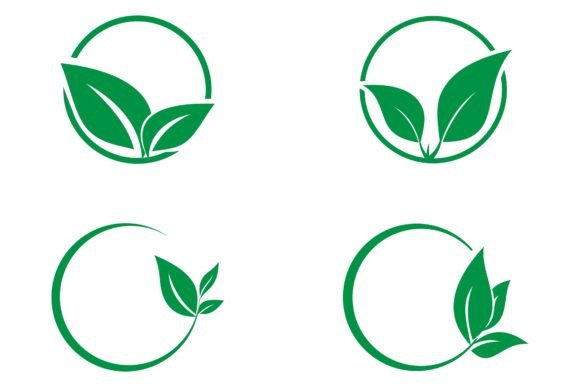
The Evolution and Impact of the Leaf Logo in Modern Branding
In the contemporary landscape of visual identity, few symbols have achieved as much ubiquity and emotional resonance as the leaf logo. From small boutique coffee shops to multinational technology corporations, this botanical motif has transcended its origins in nature to become a universal shorthand for growth, sustainability, and vitality. The integration of organic shapes into corporate design is not merely an aesthetic choice; it represents a fundamental shift in how businesses communicate their values to a global audience.
When designers approach the creation of a leaf symbol, they are engaging with a complex history of semiotics. A single curve can suggest the unfolding of a new idea, while a cluster of foliage might represent a thriving ecosystem or a diverse community. This article explores the multifaceted role of botanical elements in graphic design, examining why the eco concept remains so powerful and how it adapts across various industries ranging from healthcare to finance.
The Psychology of Organic Shapes in Visual Communication
Human beings possess an innate affinity for natural forms, a phenomenon often linked to biophilia. When a consumer encounters a green emblem or a floral illustration, their brain processes these images differently than rigid geometric shapes. Leaves, branches, and roots evoke feelings of freshness, safety, and life. This psychological connection makes the botanical logo an incredibly effective tool for brands that wish to establish trust and convey a sense of well-being.
The versatility of the leaf allows for a wide spectrum of interpretations. A sharp, linear outline of an oak leaf suggests strength and longevity, ideal for financial institutions or legal firms emphasizing stability. Conversely, a soft, watercolor-style depiction of a sprout conveys delicacy and innovation, perfect for cosmetic companies or startups focused on personal care. The choice between a vintage wreath and a minimalist silhouette dictates the entire tone of the brand identity.
Consider the nuance in color theory as well. While green is the most obvious association, the use of gold accents can elevate a nature icon to signify premium quality, often seen in luxury skincare or high-end organic food products. Similarly, earthy browns and muted pastels allow for a rustic or vintage appeal, connecting the brand to traditional methods and heritage. The ability to manipulate these elements ensures that a plant-based sign never feels generic when designed with intent.
Diverse Applications Across Industries
The utility of the vector leaf design extends far beyond the garden center or the health food store. Its adaptability has made it a staple in sectors where one might least expect to see foliage. In the realm of technology, a digital eco-symbol often represents software solutions focused on energy efficiency, carbon tracking, or sustainable development. Here, the leaf serves as a metaphor for "growth" in the digital age, balancing technological advancement with environmental responsibility.
- Healthcare and Medicine: In clinics and pharmacies, a medical plant icon signals holistic healing and natural remedies. It bridges the gap between modern medicine and ancient herbal traditions, appealing to patients seeking integrative care.
- Fashion and Beauty: The beauty industry heavily relies on the organic label to market cruelty-free and vegan products. A floral badge on packaging instantly communicates that ingredients are derived from nature, free from harsh chemicals.
- Food and Beverage: Restaurants and cafes utilize botanical branding to highlight farm-to-table concepts. Whether it is a coffee shop logo featuring a coffee bean leaf or a bakery using wheat stalks, these graphics promise freshness and authenticity.
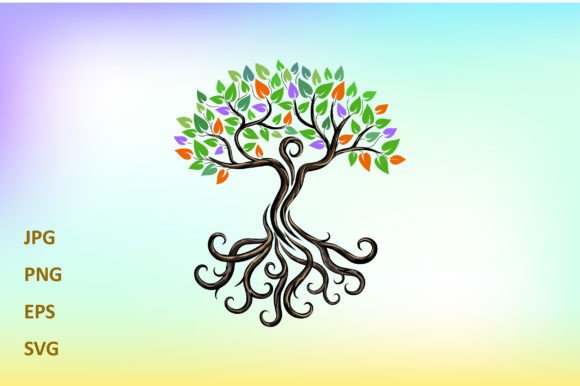
- Educational and Non-Profit: Organizations dedicated to conservation or education often employ the tree of life motif to illustrate interconnectedness and the importance of preserving our planet for future generations.
In each of these contexts, the graphic element functions as a silent ambassador. It speaks to the viewer before a single word is read, setting expectations about the company's ethos. A clean lineart representation might be chosen for a tech startup to imply precision, whereas a hand-drawn doodle would suit a local artisanal workshop to emphasize human touch and craftsmanship.
Design Principles: Balancing Abstraction and Realism
Creating an effective logo template involving leaves requires a delicate balance between abstraction and realism. If a design is too literal, resembling a photograph of a specific species, it may limit the brand's scope or date quickly. However, if it is too abstract, the message of "nature" may be lost entirely. Successful branding often lies in the middle ground.
Modern trends favor minimalist styles where the essence of the leaf is captured through negative space and simple curves. This approach ensures scalability; a decorative frame must look equally impressive on a massive billboard and as a tiny favicon on a mobile browser. Designers often experiment with the shape of the leaf, merging it with other elements like circles (representing unity) or shields (representing protection).
The texture also plays a crucial role. A flat, solid color is efficient for web interfaces, but adding subtle gradients or paper textures can give a luxury product a tactile feel. For example, a spa service might use a textured, watercolor leaf to evoke the feeling of a relaxing bath, while a construction firm might prefer a bold, solid green vector to denote solidity and growth.
Furthermore, the integration of typography is vital. The font chosen to accompany the symbol must complement the botanical imagery. Serif fonts often pair well with classic, elegant leaf designs, suggesting tradition and reliability. Sans-serif fonts work best with modern, geometric interpretations of foliage, reinforcing a message of innovation and clarity. The combination creates a cohesive identity that is memorable and distinct.
Sustainability as a Core Value
The resurgence of the nature icon in the 21st century is inextricably linked to the global conversation surrounding climate change and sustainability. Consumers are increasingly conscious of their environmental footprint, and they demand transparency from the companies they support. A zero waste initiative or a vegan product line is almost always accompanied by a visual cue that reinforces these commitments.
A leaf logo acts as a seal of approval for ethical practices. It tells the customer that the company cares about the environment and is actively working to reduce its impact. This is particularly relevant for the finance sector, where ESG (Environmental, Social, and Governance) investing has become a major trend. Banks and investment firms now use green branding to signal their dedication to funding sustainable projects.
However, the presence of a leaf does not automatically guarantee sustainability. This has led to the rise of "greenwashing," where companies use eco-friendly imagery without backing it up with action. To combat this, authentic branding requires that the visual identity aligns perfectly with the company's actual operations. The design must be supported by tangible policies, certifications, and transparent reporting. When done correctly, the organic sign becomes a promise kept, fostering deep loyalty among consumers who value integrity.
The Artistic Expression of Growth
Beyond commercial applications, the leaf motif holds profound artistic significance. In the world of illustration and fine art, the leaf represents the cycle of life, renewal, and resilience. Artists often use botanical sketches to explore themes of fragility and strength simultaneously. The intricate veins of a leaf mirror the complexity of human experience, making it a rich subject for creative exploration.
In digital media, the animated leaf has become a popular element in user interface design. Subtle animations of falling leaves or growing plants can create a calming atmosphere on websites, enhancing user engagement. These dynamic elements bring the static web design to life, reflecting the fluidity of nature. They serve as a reminder that even in the digital realm, we are connected to the physical world.
The creative process of designing a leaf involves studying the anatomy of plants. Understanding the difference between an oak leaf and a willow branch adds depth to the artwork. Each species carries its own symbolism; the olive branch represents peace, while the maple leaf signifies endurance. By selecting the right element, designers can infuse their work with layers of meaning that resonate on a subconscious level.
Whether used in a wedding invitation to symbolize new beginnings or in a fitness app to encourage healthy living, the floral design continues to evolve. It adapts to the cultural zeitgeist, shifting from the detailed realism of the Victorian era to the bold minimalism of the modern day. Yet, its core message remains unchanged: a celebration of life, growth, and the enduring beauty of the natural world.
Conclusion
The leaf logo stands as a testament to the enduring power of nature in human creativity. It is more than just a decorative image; it is a communication tool that bridges the gap between commerce and conscience. As we move forward into an era defined by rapid technological change and environmental challenges, the need for symbols that ground us in reality will only grow stronger. The modern design landscape will continue to be shaped by these organic forms, reminding us of our shared responsibility to protect the planet while embracing the potential for growth.