The Timeless Elegance of Botanical Wreath Drawings: From Hand-Drawn Sketches to Digital Assets
In the vast landscape of graphic design and interior aesthetics, few elements possess the enduring appeal of the botanical wreath drawing. Whether you are a graphic designer seeking high-quality assets for a wedding invitation, a small business owner crafting packaging for handmade goods, or a hobbyist looking to add a touch of nature to your digital scrapbooks, understanding the nuances of floral decorative elements is essential. These intricate compositions are more than just pretty pictures; they are versatile design tools that bridge the gap between traditional artistry and modern digital convenience.
This article explores the world of botanical wreaths, examining their historical significance, the technical benefits of vector and transparent formats like EPS, JPG, SVG, and PNG, and how these elements can elevate your creative projects.
What Is a Botanical Wreath Drawing?
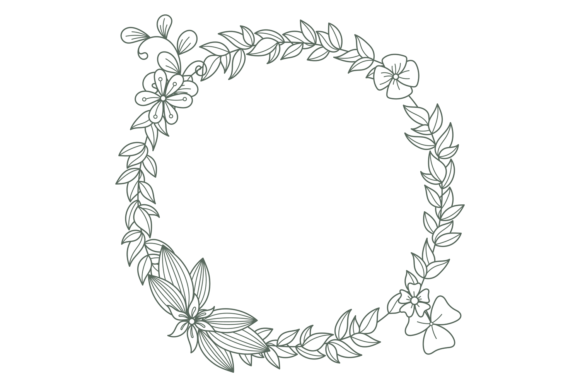
A botanical wreath drawing is an artistic representation of plant life arranged in a circular or oval form. Historically, wreaths have symbolized eternity, victory, and honor. In contemporary design, however, they often represent growth, renewal, and natural beauty. A "drawing" implies a hand-crafted aesthetic, capturing the delicate veins of leaves, the subtle gradients of petals, and the organic irregularity of stems. This contrasts with rigid, geometric patterns, offering a softer, more organic feel that resonates deeply with human psychology.
Unlike a photograph, a drawing allows for stylization. Artists can exaggerate certain features, simplify complex structures, or create a whimsical atmosphere. This makes botanical drawings particularly popular in branding, where a unique visual identity is crucial.
The Significance of Floral Decorative Elements
Floral decorative print elements serve as framing devices, borders, or standalone focal points. They guide the viewer’s eye and provide structure to a composition. When isolated on a white background, these elements become modular building blocks. Designers can mix and match different sprigs, adjust scales, and integrate them into various layouts without being constrained by the original context of the image.
For instance, a single branch of eucalyptus drawn in a fine-line style can soften the harsh edges of a corporate logo, while a lush, watercolor-style wreath can add warmth and luxury to a boutique hotel’s website header.
The Power of Format: Why File Type Matters
When sourcing or creating botanical illustrations, the file format is just as important as the artwork itself. The availability of assets in EPS, JPG, SVG, and transparent PNG formats ensures that the image can be used across a wide range of mediums, from web design to large-scale printing.
Vector Excellence: EPS and SVG
EPS (Encapsulated PostScript) and SVG (Scalable Vector Graphics) are vector-based formats. This means they are built using mathematical equations rather than pixels. The primary advantage of vector files is scalability. You can enlarge a botanical wreath drawing from the size of a business card to the size of a billboard without losing any quality or encountering pixelation.
- SVG: Ideal for web use. It loads quickly, is searchable by search engines, and can be animated with CSS. If you are building a responsive website, SVGs ensure your floral elements look crisp on everything from mobile phones to 4K monitors.
- EPS: A legacy standard still widely used in professional printing workflows. It is excellent for sending designs to commercial printers who need to scale images for packaging or signage.
Raster Versatility: JPG and Transparent PNG
While vectors are great for line art and solid colors, some botanical drawings rely on subtle textures, shading, and watercolor effects. For these, raster formats are often necessary.
- JPG (JPEG): A compressed format suitable for photographs and complex gradient-heavy illustrations. However, JPGs do not support transparency. If you place a JPG wreath onto a colored background, it will have a white square around it unless you manually remove the background.
- PNG (Portable Network Graphics): Specifically, a transparent PNG is a game-changer for designers. It allows the white background of the illustration to be removed, leaving only the floral elements visible. This enables seamless layering over dark backgrounds, textured papers, or other images, providing maximum flexibility in layout design.
Branding and Packaging
In the age of artisanal products, authenticity is key. A floral decorative print element can instantly communicate values of sustainability, craftsmanship, and natural ingredients. Imagine a label for organic honey or a cosmetic brand selling lavender soap. A hand-drawn botanical wreath surrounding the logo suggests a connection to nature and heritage. Using high-resolution SVGs ensures that this detail remains sharp even when printed on small jars or bottles.
Event Design and Stationery
Weddings, birthdays, and corporate events rely heavily on stationery. Invitations, menus, and place cards benefit greatly from the elegance of botanical art. A botanical wreath drawing can frame the names of the bride and groom or encircle the date of an event. Because these assets are often available as transparent PNGs, designers can easily overlay them on textured paper backgrounds or combine multiple wreaths to create custom borders.
Digital Content and Social Media
Social media platforms are visually driven. Bloggers and influencers use floral elements to create engaging headers, quote graphics, and story templates. An SVG wreath can be resized and recolored to match seasonal themes—using greens and browns for autumn, pastels for spring, or reds and golds for holidays. The ability to edit vector files allows for endless customization without needing to redraw the entire image.
"All Drawings Are the Same"
One common misconception is that all botanical illustrations are interchangeable. However, the style varies wildly. Some are highly detailed and realistic, mimicking scientific botanical plates. Others are loose, sketchy, and impressionistic. Choosing the right style depends on the desired tone. A medical journal might prefer realistic detail, while a children’s book would benefit from a whimsical, simplified approach.
"Vectors Can’t Look Hand-Drawn"
With advanced software, artists can create vector paths that mimic the texture and imperfection of pencil or ink. These "vector sketches" offer the best of both worlds: the organic look of a drawing with the technical advantages of vector scalability. When searching for assets, look for descriptions like "hand-lettered vector" or "sketch-style botanical" to find these hybrid styles.
"Transparency Isn’t Important"
Some beginners may think a JPG is sufficient because it looks fine on a white screen. However, if they later decide to change the background color of their project, the white box around the JPG becomes a major obstacle. Investing in transparent PNG or vector assets saves time in the long run by allowing for easier editing and adaptation.
How to Choose and Use Botanical Assets Effectively
To make the most of botanical wreath drawings, consider the following tips:
- Check Resolution and Format: Ensure the file is high enough resolution for your intended print size, or confirm it is a vector for infinite scaling.
- Consider Color Palettes: Many botanical assets come in black and white. Be prepared to recolor them to fit your brand guidelines. Vector files make this process effortless.
- Balance Negative Space: Don’t overcrowd your design. Let the intricate details of the wreath breathe. Use the wreath as a frame, but leave room for text or other key information.
- Layering Techniques: Combine different elements. Place a smaller floral sprig inside a larger wreath, or overlap two semi-transparent PNGs to create depth and complexity.
Conclusion
The botanical wreath drawing is a timeless design element that continues to evolve with technology. By understanding the differences between formats like EPS, JPG, SVG, and transparent PNG, creators can harness the full potential of these floral decorative print elements. Whether used for elegant wedding invitations, eco-friendly product packaging, or engaging social media content, these assets bring a sense of organic beauty and sophistication to any project. Embracing the versatility of digital botanical art allows designers and enthusiasts alike to connect with nature in innovative and meaningful ways.