The Timeless Allure of Arrow Drawing in Boho Ethnic Style: Bridging Ancient Symbolism with Modern Design
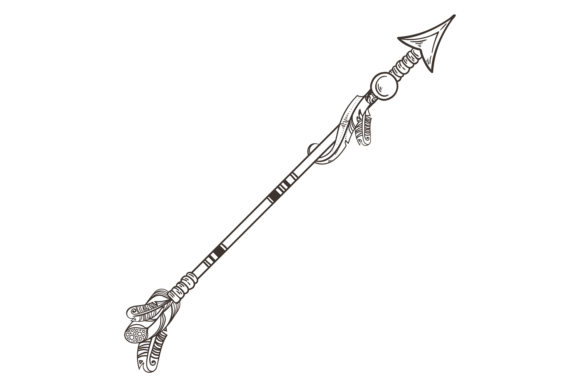
In the vast landscape of graphic design and artistic expression, few motifs are as versatile or evocative as the arrow. While often associated with direction, navigation, or aggression in modern contexts, the arrow holds a much deeper, more nuanced history when viewed through the lens of boho ethnic style. This unique aesthetic blends the raw, earthy textures of tribal art with the free-spirited, eclectic vibe of bohemian culture. When you encounter an old decorative symbol isolated on a white background, particularly one featuring this intricate arrow drawing, you are looking at a piece of visual storytelling that transcends time.
This article explores the rich heritage of the boho ethnic arrow, its significance in contemporary design, and why high-quality vector formats like EPS, JPG, SVG, and transparent PNG are essential tools for bringing this ancient charm into modern projects.
Understanding the Boho Ethnic Aesthetic
To truly appreciate the arrow drawing in this specific style, one must first understand what "boho ethnic" entails. The term is a fusion of two distinct but complementary movements:
- Bohemian (Boho): Characterized by a carefree, unconventional, and artistic approach. It favors natural materials, warm colors, and patterns that feel organic rather than rigid.
- Ethnic/Tribal: Rooted in the traditional art forms of indigenous cultures worldwide. These designs often feature geometric shapes, nature-inspired motifs, and symbols that carry spiritual or historical weight.
When these two styles merge, the result is a design language that feels both grounded and whimsical. The arrow, in this context, is rarely just a simple line with a point. Instead, it becomes a canvas for intricate detailing—feathers, dots, zigzags, and floral elements are woven into the shaft and fletching, transforming a functional tool into a piece of decorative art.
The Symbolism of the Arrow in Tribal Culture
Before the arrow became a trendy motif in interior design and fashion, it held profound meaning in various indigenous cultures. In many Native American traditions, the arrow was not merely a weapon but a symbol of protection, strength, and the ability to move forward with purpose. An arrow pointing up could signify ambition or spiritual ascent, while an arrow pointing down might represent grounding or connection to the earth.
In the boho interpretation, these meanings are softened but preserved. The sharpness of the weapon is replaced by the softness of artistic expression, yet the core message of direction and intent remains. This is why the arrow is so popular in modern wellness and mindfulness spaces; it serves as a subtle reminder to stay focused on one’s path without the aggressive connotations of its historical counterpart.
Why Isolate Old Decorative Symbols?
You may have noticed descriptions stating that these designs are "isolated on a white background." In the world of digital asset creation, this isolation is crucial for versatility. An old decorative symbol, such as a vintage arrow, carries a lot of visual noise and detail. By isolating it against a clean white backdrop, designers can easily extract the element and place it onto any surface—be it a dark wood texture, a pastel wedding invitation, or a rugged journal cover.
This technique ensures that the focus remains entirely on the intricate details of the boho ethnic style. Whether it is the delicate curve of a feather or the rhythmic pattern along the arrow’s spine, isolation allows these nuances to shine without competition from other background elements. For the end-user, this means maximum flexibility in how they apply the design.
The Practical Relevance in Modern Life and Business
So, why does this matter to you? Whether you are a small business owner, a creative professional, or someone decorating your home, the arrow drawing in boho ethnic style offers practical benefits that extend beyond mere aesthetics.
Interior Design and Home Décor
The boho trend has dominated interior design for several years, and it shows no signs of fading. Walls adorned with macramé, rattan furniture, and earth-toned textiles create a sanctuary-like atmosphere. Adding an arrow motif to this mix enhances the narrative. Imagine a large-scale print of an old decorative symbol hanging above a sofa, or a smaller version etched into a wooden headboard. These elements add character and depth, connecting the space to a broader cultural heritage while maintaining a cozy, inviting feel.
Branding and Identity
For businesses, particularly those in the wellness, artisanal goods, or travel sectors, the boho ethnic arrow communicates specific values. It suggests authenticity, craftsmanship, and a respect for tradition. A logo or brand element featuring this style can help a company stand out in a crowded market by conveying a sense of handcrafted quality and timeless appeal. It tells customers that the brand values story and substance over fleeting trends.
Creative Projects and Stationery
In the realm of stationery, the arrow is a staple. Wedding invitations, thank-you cards, and journal covers frequently utilize this motif. The transparent PNG format is particularly useful here, allowing designers to overlay the arrow onto textured paper backgrounds without losing the integrity of the image. It adds a touch of elegance and personalization that mass-produced items lack.
Technical Formats: Why Vector and Transparency Matter
When sourcing or creating these designs, understanding file formats is key to achieving professional results. The mention of EPS, JPG, SVG, and transparent PNG in design assets is not arbitrary; each serves a specific purpose in the workflow.
- SVG (Scalable Vector Graphics): This is perhaps the most important format for modern web and print design. Because SVGs are vector-based, they can be scaled to any size—from a tiny favicon to a massive billboard—without losing quality. This is ideal for the intricate lines found in boho ethnic arrows, ensuring that every curve and dot remains crisp regardless of scale.
- EPS (Encapsulated PostScript): A classic vector format widely used in professional printing. If you are sending a design to a commercial printer for large-format posters or packaging, EPS files ensure that the color fidelity and resolution remain intact during the conversion process.
- PNG (Portable Network Graphics) with Transparency: The "transparent PNG" is a designer’s best friend for quick edits. Unlike JPGs, which always have a solid background (usually white), a transparent PNG allows the arrow to blend seamlessly with whatever background you choose. This is perfect for social media graphics, website overlays, and digital presentations.
- JPG (Joint Photographic Experts Group): While less flexible than vectors, JPGs are universally compatible and easy to share. They are suitable for final exports where file size needs to be minimized for web use, though they do not support transparency.
Common Misunderstandings About Cultural Appropriation vs. Appreciation
A critical aspect of using ethnic styles is navigating the line between appreciation and appropriation. Some readers may worry that using tribal motifs is disrespectful. However, when done with respect and understanding, it is a form of cultural appreciation. The key lies in context and credit.
Using an arrow drawing in boho ethnic style is generally considered safe and positive when:
- The design is stylized and abstract rather than a direct copy of a sacred, closed religious symbol.
- The creator acknowledges the inspiration behind the style.
- The usage aligns with the values of the culture it draws from (e.g., promoting harmony, nature, and community).
By choosing designs that are labeled as "decorative" or "ethnic style," you are engaging with the aesthetic beauty of global art traditions. This encourages a broader appreciation for diverse artistic expressions and keeps traditional patterns alive in the modern imagination.
Conclusion: Embracing the Journey
The arrow drawing in boho ethnic style is more than just a pretty picture; it is a bridge between the past and the present. It connects us to the ancient wisdom of directional symbolism while offering a fresh, stylish way to express ourselves in today’s world. Whether you are designing a brand identity, decorating your living space, or creating digital content, incorporating these elements adds a layer of depth and authenticity that resonates with viewers.
By leveraging the right technical formats like SVG and transparent PNG, and by respecting the cultural roots of the design, you can harness the power of this timeless motif. So, the next time you see an old decorative symbol isolated on a white background, remember that it represents more than just ink on a page—it represents a journey, a direction, and a celebration of human creativity across cultures.