Pumpkin Isolated on a White Background: A Visual and Culinary Staple for Autumn
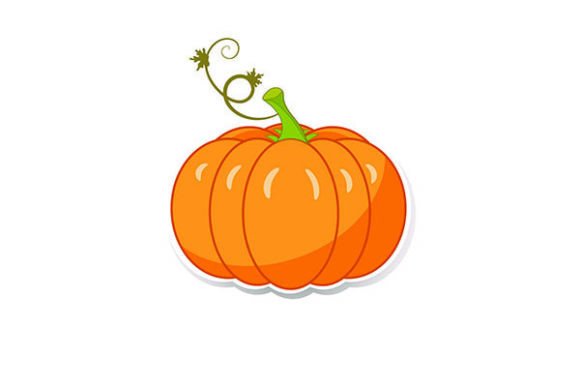
The image of a pumpkin isolated on a white background is more than just a stock photo; it is a versatile visual asset that bridges the gap between agricultural reality and digital design. Whether you are a graphic designer seeking clean assets for seasonal marketing, a food blogger looking to showcase fresh ingredients, or a homeowner planning autumn decor, this specific imagery offers clarity, focus, and aesthetic appeal. By removing the clutter of the surrounding environment, the subject—the pumpkin—becomes the undisputed hero, allowing viewers to appreciate its texture, color, and form without distraction.
Understanding the Visual Impact of Isolation
When we discuss a pumpkin isolated on a white background, we are referring to a photographic technique where the subject is carefully separated from its natural setting. This method highlights the organic shapes and vibrant hues of the fruit, which can range from deep orange to yellow, red, or even green depending on the variety. The white backdrop serves as a neutral canvas, ensuring that the eye is drawn immediately to the details of the vegetable: the ridges of the skin, the stem’s texture, and the subtle variations in color that indicate ripeness.
This visual clarity is crucial for several reasons. First, it emphasizes the freshness and organic nature of the produce. In an era where consumers are increasingly concerned about food sources, showing a raw, unprocessed pumpkin against a clean background signals purity and health. Second, it provides flexibility. Designers can easily place this isolated element into various layouts, whether for a Thanksgiving invitation, a Halloween party flyer, or a healthy recipe blog post, without worrying about conflicting colors or busy backgrounds.
Culinary Applications and Nutritional Value
Beyond its aesthetic utility, the pumpkin itself is a powerhouse of nutrition and culinary versatility. Often categorized as a squash or gourd, this autumn fruit is rich in vitamins, particularly Vitamin A, which supports eye health and immune function. When you see a pumpkin isolated on a white background, you are often looking at the primary ingredient for countless seasonal dishes.
For those interested in healthy eating, pumpkins offer a low-calorie, high-fiber option that can be prepared in numerous ways. Here are some practical applications:
- Soups and Purees: Roasted ginger pumpkin can be blended into creamy soups, offering a sweet and savory flavor profile that pairs well with spices like nutmeg and cinnamon.
- Salads: Cubed raw or roasted pumpkin adds a crunchy texture and earthy sweetness to mixed greens, complementing nuts, seeds, and vinaigrettes.
- Baking: As a key ingredient in pies, muffins, and breads, pumpkin provides moisture and natural sweetness, reducing the need for added sugars.
- Decorative Edibles: Mini pumpkins and gourds can be used as garnishes, adding a pop of colorful decoration to holiday tables.
Understanding the nutritional benefits encourages users to incorporate more vegetarian and plant-based foods into their diets. The pumpkin’s ability to transition seamlessly from a decorative symbol of the harvest season to a nutritious meal component makes it an invaluable part of autumn agriculture.
Design and Marketing Strategies
For marketers and content creators, the pumpkin isolated on a white background is a strategic tool. It allows for consistent branding across different platforms. Because the background is uniform, the pumpkin can be resized and repositioned without losing quality or context. This is particularly useful for e-commerce sites selling fall decorations, farm-to-table delivery services, or cooking classes.
Consider the following scenarios where this visual asset proves beneficial:
- E-Commerce Product Pages: When selling decorative pumpkins or seeds, a clean white background helps customers visualize the product clearly, reducing return rates due to mismatched expectations.
- Social Media Campaigns: During October and leading up to Halloween and Thanksgiving, brands can use isolated pumpkin images to create eye-catching posts that stand out in crowded feeds. The contrast between the bright orange/red/yellow of the pumpkin and the white background creates a striking visual hierarchy.
- Recipe Blogs: Food bloggers often use closeup shots of ingredients to inspire readers. An isolated pumpkin suggests simplicity and accessibility, encouraging home cooks to try new recipes.
Seasonal Symbolism and Cultural Significance
The pumpkin is deeply embedded in the cultural fabric of the fall season. It serves as a symbol of abundance, gratitude, and celebration. From the carved jack-o’-lanterns of Halloween to the centerpieces of Thanksgiving dinners, pumpkins connect us to traditions of community and harvest.
When presented in isolation, the pumpkin transcends its literal form to become an icon of the season. It evokes feelings of warmth, comfort, and nostalgia. For many, seeing a ripe pumpkin triggers memories of family gatherings, corn patches, and crisp autumn air. This emotional connection is powerful for advertisers and storytellers who wish to tap into the sentimental value of the holiday period.
Furthermore, the diversity of pumpkin varieties—from small mini pumpkins to large field pumpkins—allows for varied representation. A closeup of a textured, ripe ginger pumpkin can convey rustic charm, while a smooth, bright orange squash might suggest modern elegance. Understanding these nuances helps users select the right imagery for their specific audience needs.
Practical Considerations for Usage
To maximize the effectiveness of using a pumpkin isolated on a white background, consider the following tips:
- Lighting and Shadow: Even in isolation, soft shadows can add depth and realism. Ensure the lighting highlights the roundness and texture of the pumpkin without creating harsh contrasts that distract from the main subject.
- Resolution and Quality: Use high-resolution images to maintain clarity when scaling. Blurry or pixelated pumpkins can undermine the perception of freshness and quality.
- Contextual Pairing: While the pumpkin stands alone, pairing it with complementary elements like wooden boards, corn cobs, or autumn leaves in your final design can enhance the seasonal theme without cluttering the primary subject.
- Color Accuracy: Ensure the color balance is true to life. The vibrant orange, yellow, or red of the pumpkin should appear natural and appetizing, reflecting the fresh and raw state of the produce.
Conclusion
In summary, the pumpkin isolated on a white background is a multifaceted resource that serves both practical and symbolic purposes. It enhances visual communication in design and marketing, promotes healthy eating habits through its nutritional value, and connects us to the rich traditions of the autumn season. By leveraging this imagery effectively, individuals and businesses can create compelling content that resonates with audiences during the fall months. Whether you are decorating your home, planning a menu, or designing a campaign, embracing the simple yet powerful image of the pumpkin can elevate your projects and celebrate the spirit of the harvest.