Boho Horizontal Border. Tribal Decorativ
In the realm of graphic design and visual content creation, the demand for aesthetic versatility is constant. Designers, marketers, and hobbyists alike are often searching for elements that can instantly elevate a composition without overwhelming it. One such element that has gained significant traction in recent years is the Boho Horizontal Border. Tribal Decorativ. This specific asset class combines the free-spirited, organic feel of Bohemian style with the structured, cultural resonance of tribal patterns. Understanding what this asset entails, its technical specifications, and its practical applications is essential for anyone looking to integrate it into their workflow effectively.
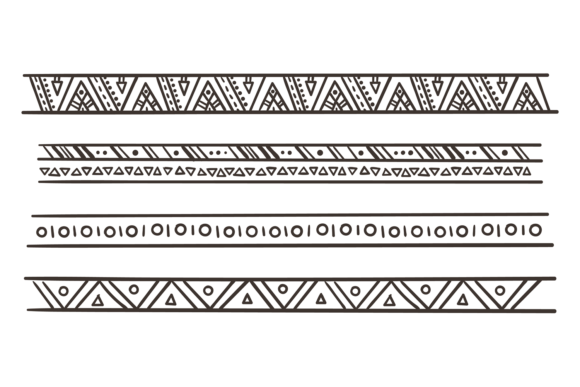
The term Boho Horizontal Border. Tribal Decorativ refers to a collection of decorative vector or raster graphics designed to frame content horizontally. These borders typically feature intricate line work, geometric shapes, and organic motifs inspired by indigenous art forms, mixed with the relaxed, eclectic nature of bohemian aesthetics. They are frequently offered in multiple file formats, including EPS, JPG, SVG, and transparent PNG, ensuring compatibility across various software platforms and use cases.
Understanding the Aesthetic and Composition
To evaluate whether this type of border fits your project, it is important to first understand the visual language it employs. The "Boho" aspect suggests warmth, earthiness, and a hand-crafted feel. It often incorporates textures like wood grain, linen, or subtle noise, along with colors drawn from nature—terracotta, sage green, mustard yellow, and deep browns. The "Tribal Decorativ" component adds structure. Unlike purely abstract boho designs, these borders utilize symmetry, repetition, and distinct geometric patterns that evoke a sense of tradition and craftsmanship.
When isolated on a white background, as is common with stock assets labeled Boho Horizontal Border. Tribal Decorativ, the focus remains entirely on the pattern itself. This isolation allows designers to overlay the border onto different backgrounds, adjust opacity, or merge layers without interference from existing background elements. The horizontal orientation makes these assets particularly suitable for headers, footers, section dividers, and framing text blocks, providing a clear visual boundary that guides the viewer’s eye.
Technical Formats and Workflow Integration
A critical factor in selecting digital assets is their format. The availability of Boho Horizontal Border. Tribal Decorativ in EPS, JPG, SVG, and transparent PNG addresses the diverse needs of modern design workflows.
- SVG (Scalable Vector Graphics): For web designers and UI/UX specialists, SVG is often the preferred choice. Because it is vector-based, the Boho Horizontal Border. Tribal Decorativ can be scaled to any size without losing quality. This is ideal for responsive web design where borders must adapt to different screen sizes. Additionally, SVG files can be easily edited in code or vector software to change colors or stroke widths to match a brand palette.
- EPS (Encapsulated PostScript): This legacy vector format remains relevant for print design. If you are creating brochures, business cards, or packaging, EPS ensures high-resolution output. It is compatible with Adobe Illustrator and InDesign, making it a robust option for professional print layouts.
- PNG (Portable Network Graphics): Transparent PNGs are versatile for both print and digital use. The transparency allows the border to sit seamlessly over photographs or colored backgrounds. However, unlike vectors, PNGs are raster images, meaning they can pixelate if scaled up too large. They are best used at fixed dimensions.
- JPG (Joint Photographic Experts Group): While widely supported, JPGs do not support transparency. Using a JPG version of the Boho Horizontal Border. Tribal Decorativ requires careful placement on a matching background color to avoid visible boxes around the design. They are generally lighter in file size but offer less flexibility than PNG or vector formats.
Practical Applications and Use Cases
The versatility of horizontal tribal borders makes them applicable across a wide range of industries and media types. Evaluating potential use cases helps determine if this asset aligns with your current projects.
Wedding and Event Stationery: Boho themes are perennially popular for weddings, particularly outdoor or rustic ceremonies. The Boho Horizontal Border. Tribal Decorativ can serve as elegant separators between ceremony details, RSVP information, and venue maps. The tribal elements add a touch of sophistication and cultural depth, moving beyond simple floral motifs.
Social Media Content: Content creators often need consistent branding across Instagram posts, Pinterest pins, and Facebook covers. Horizontal borders provide a clean way to frame quotes, announcements, or product highlights. The warm, inviting nature of boho styles tends to perform well in lifestyle and wellness niches, fostering a sense of community and authenticity.
Web Design and Blogging: On blogs and websites, horizontal rules or borders break up long blocks of text, improving readability. A tribal-inspired border can serve as a unique header or footer, reinforcing brand identity. If using the SVG format, these borders can be animated or interacted with via CSS, adding a dynamic layer to static content.
Product Packaging: For brands selling artisanal goods, such as soaps, candles, or jewelry, packaging design is crucial. The Boho Horizontal Border. Tribal Decorativ can wrap around labels or act as a central design element, communicating values of craftsmanship and natural origins.
Benefits and Tradeoffs
Integrating pre-made assets like Boho Horizontal Border. Tribal Decorativ offers several advantages, but it also comes with considerations that designers should weigh.
Benefits:
- Time Efficiency: Creating intricate tribal patterns from scratch is time-consuming. Using a pre-designed set allows designers to focus on layout and messaging rather than drawing every line.
- Professional Quality: Stock assets are typically created by experienced illustrators, ensuring balanced proportions, clean lines, and harmonious color palettes.
- Consistency: A set usually includes multiple variations of the same motif, allowing for cohesive design systems across different pages or products.
Tradeoffs and Considerations:
- Lack of Uniqueness: Since these assets are available to many users, there is a risk that your design may look similar to others who have used the same pack. To mitigate this, designers should modify the colors, scale, or arrangement of the border.
- Cultural Sensitivity: When using tribal motifs, it is important to approach the design with respect. Avoid appropriating sacred symbols or misrepresenting cultural heritage. Understanding the origins of the patterns can help ensure ethical usage.
- File Size and Performance: Complex vector files can sometimes increase load times if not optimized. Raster formats like PNG can become heavy if used at high resolutions. Optimizing files for web delivery is a necessary step.
Decision-Making Insights: Is This Right for You?
Determining whether to incorporate the Boho Horizontal Border. Tribal Decorativ into your project depends on your specific goals and constraints. If you are working on a project that benefits from a warm, organic, yet structured aesthetic, this asset class is a strong fit. It is particularly effective when you need to frame content without distracting from the primary message.
However, if your project requires a minimalist, corporate, or highly futuristic look, this style may clash with your brand identity. In such cases, simpler geometric lines or no borders at all might be more appropriate. Similarly, if budget is a primary concern, consider whether purchasing a license is justified compared to creating custom illustrations, which may have higher upfront costs but result in unique intellectual property.
For those evaluating options, start by defining the emotional tone you wish to convey. Does the warmth and texture of boho tribal patterns align with your narrative? Next, assess your technical requirements. Do you need scalability (SVG/EPS) or ease of use (PNG/JPG)? Finally, review the asset's licensing terms to ensure compliance with your intended use, whether commercial or personal.
Ultimately, the Boho Horizontal Border. Tribal Decorativ serves as a powerful tool in the designer’s toolkit. By understanding its strengths, limitations, and appropriate contexts, you can make informed decisions that enhance your visual communication and meet your audience’s expectations effectively.