Black Frame Drawing Art: A Comprehensive Guide to Selection and Application
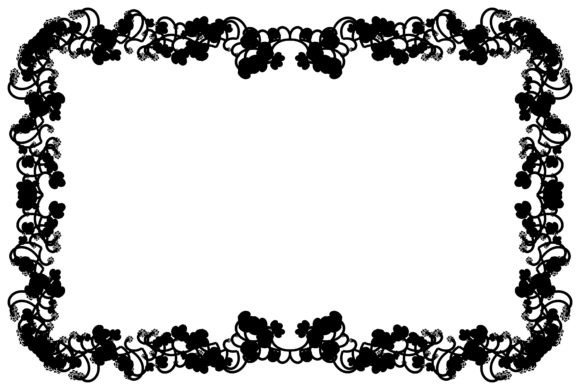
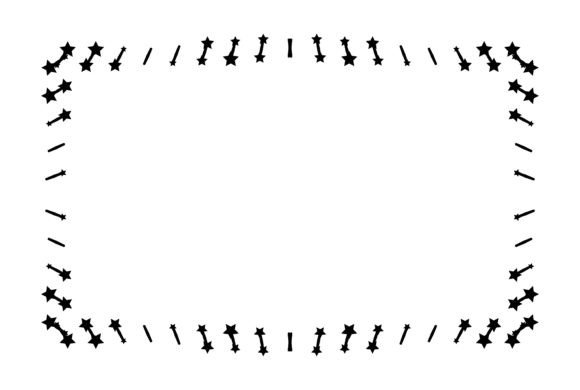
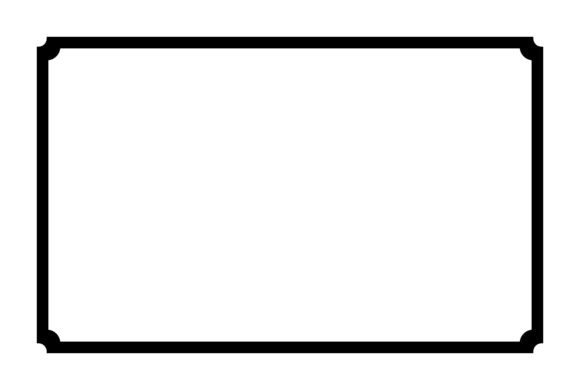
In the realm of graphic design and visual composition, Black Frame Drawing Art serves as a foundational element that bridges the gap between raw creativity and structured presentation. This specific style of decorative drawing is characterized by its high-contrast aesthetic, utilizing bold, often calligraphic lines to create ornamental borders or standalone abstract compositions. Unlike generic geometric patterns, this art form frequently incorporates fluid, hand-drawn elements that evoke a sense of organic elegance while maintaining strict structural boundaries. For professionals and hobbyists alike, understanding the nuances of this medium is essential before integrating it into larger projects.
Distinguishing Characteristics of the Style
The primary distinction of Black Frame Drawing Art lies in its versatility and the texture it imparts to digital or physical media. When examining these illustrations, one observes a deliberate use of negative space. The black lines do not merely enclose content; they interact with it, guiding the viewer's eye toward the center of the design. This makes the artwork particularly effective for contexts where focus is paramount, such as book covers, invitation cards, or website headers.
These designs are often rendered at high resolutions, typically around 4936x3319 pixels at 300 dpi. This technical specification ensures that the intricate details of the calligraphic picture remain crisp whether displayed on a screen or printed on high-quality paper. The availability of files in both PNG and JPG formats within a single ZIP folder offers significant flexibility. While PNG preserves transparency for layering over complex backgrounds, JPG provides a universal standard for web integration and general printing tasks.
Evaluating Usage Scenarios and Practical Applications
Selecting the right artistic asset depends heavily on the intended output. Black Frame Drawing Art excels in scenarios requiring a blend of modern minimalism and traditional ornamentation. Below are several key areas where this specific type of decorative drawing finds its most natural fit:
- Print-on-Demand and Merchandise: The high resolution allows for large-scale printing without pixelation, making it ideal for custom t-shirts, mugs, or posters where the frame acts as a border or a central motif.
- Digital Publishing: Bloggers and authors often utilize these graphics to create unique section dividers or header images. The abstract nature of the artwork ensures it complements various text colors and layouts without clashing.
- Event Planning: Invitation cards and banners benefit from the formal yet artistic vibe of black line work. It adds a touch of sophistication that solid colors or simple clipart cannot achieve.
- Crafting and DIY Projects: For enthusiasts using machines like Cricut, the clean lines of this vector-style illustration are perfect for cutting out shapes from vinyl, cardstock, or paper. The precision of the design ensures that the cut-out result matches the digital preview accurately.
- Branding Materials: Business cards and stickers require small but impactful graphics. The ornamental design sign aspect of these frames can serve as a subtle logo background or a distinct brand identifier.
Comparative Analysis: Digital vs. Physical Integration
When evaluating options for incorporating Black Frame Drawing Art into a workflow, designers must consider the software environment. These assets are compatible with industry-standard tools such as Adobe Photoshop, Photoshop Elements, Illustrator, and GIMP. However, the choice of software dictates how the art is manipulated.
In raster-based programs like Photoshop, the 300 dpi resolution is critical. Working with a file at this quality ensures that if you need to resize the image for a banner, the edges of the black frame remain sharp. Conversely, in vector-based environments like Illustrator, the same image might be converted to vectors to allow for infinite scaling without loss of detail. This flexibility is a significant advantage over pre-made physical frames, which are limited by their fixed dimensions.
A common tradeoff exists between ready-to-use clipart and custom-drawn elements. Purchasing a pre-made Black Frame Drawing Art set saves time and cost, offering immediate access to professional-grade designs. However, custom commissions offer total control over the specific motifs and line weights. For most users, especially those looking to create greeting cards or scrapbooking layouts quickly, the pre-made digital files provide the best balance of quality and efficiency.
Decision Factors: When to Choose This Art Form
Deciding whether to incorporate this specific style requires an honest assessment of the project's goals. Black Frame Drawing Art is the right choice when the objective is to add a layer of sophistication without overwhelming the primary content. Its monochromatic nature means it rarely clashes with other color schemes, making it a safe yet stylish option for diverse audiences.
Furthermore, the format's adaptability to various mediums is a decisive factor. Whether the end product is a digital sticker for social media or a physical print for a gallery wall, the 4936x3319px resolution supports both. This eliminates the need to source different assets for different platforms, streamlining the production process.
Limitations and Considerations
Despite its strengths, there are limitations to consider. The heavy reliance on black ink can sometimes appear too stark for warm, pastel-themed designs unless balanced carefully with soft background colors. Additionally, while the digital files are versatile, they are static. If a project requires animated frames or interactive elements, additional coding or animation software would be necessary beyond the capabilities of the image file itself.
For users working with older design software or limited hardware, handling high-resolution files (300 dpi) may require sufficient RAM and processing power. In such cases, downscaling the image slightly might be necessary, though care must be taken not to lose the fine details of the calligraphic lines.
Strategic Implementation for Maximum Impact
To get the most out of Black Frame Drawing Art, strategic placement is key. On websites, using the graphic as a footer border or a sidebar accent can frame content effectively without distracting from the main message. In print design, overlapping the frame slightly onto the edge of the page creates a "bleed" effect that looks professional and intentional.
For crafters, the PNG format is particularly valuable. The ability to remove the background (if provided) allows the frame to be placed directly over colored paper or textured cardstock, creating a layered look that mimics hand-cutting. This is especially useful for scrapbooking, where texture and depth are highly valued.
Conclusion on Selection Criteria
The decision to use Black Frame Drawing Art ultimately hinges on the need for a versatile, high-quality decorative element that enhances rather than dominates a design. Its compatibility with major design software, combined with its suitability for both digital and physical applications, makes it a robust choice for a wide range of creative endeavors. Whether for amaze your customers with an ornamental design sign or simply adding a personal touch to a blog post, the benefits of this art form are clear.
By understanding the technical specifications, such as the 300 dpi resolution and the availability in multiple formats, creators can avoid common pitfalls related to image quality. Comparing these assets against alternatives reveals that for projects requiring a mix of elegance, clarity, and adaptability, Black Frame Drawing Art remains a top-tier option. As with any design resource, the final success depends on thoughtful application and alignment with the overall aesthetic goals of the project.